
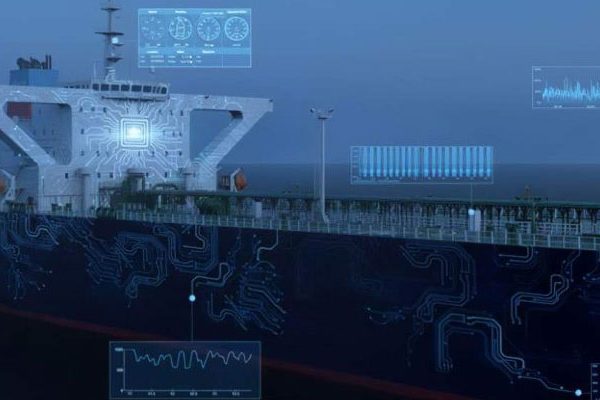
In the ever-changing world of shipping, using digital twins for ships is a revolutionary step forward. By creating an accurate virtual replica of a real ship, digital twins give decision-makers a complete, real-time view of the status and performance of their fleet.
A digital twin is a virtual representation of a physical object, system, or process. It is a dynamic, detailed model that mimics the real-world counterpart in a digital form. The purpose of a digital twin is to provide a comprehensive and real-time understanding of the physical entity it represents. This enables simulation, analysis, monitoring, and optimization of the real-world object or system.
In the context of managing port terminal operations, using digital twins can bring several benefits to CMA CGM.
Simulation & Monitoring
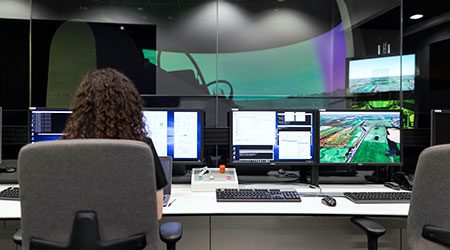
Digital twins can help decision-makers anticipate potential problems, optimize routes, and make informed decisions to improve the performance and efficiency of their maritime operations.
Predictive maintenance
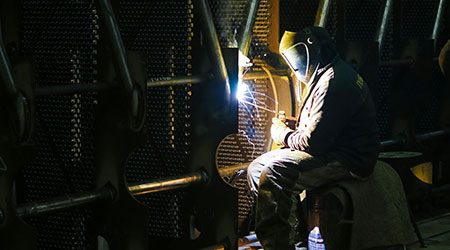
Digital twins enable maintenance teams to detect potential problems before they occur. They can proactively plan interventions and minimize downtime, thus ensuring optimum vessel availability and increasing ship durability.
Environmental impact
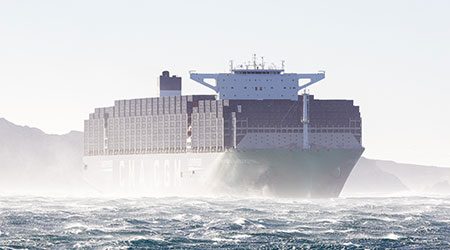
With this technology, it’s possible to monitor and optimize the ship’s energy performance, identifying areas to improvement to reduce fuel consumption and CO₂ emissions.
Container shipping isn’t the only area that can benefit from digital twin technology. For example, CMA CGM also has a Digital Twin of the Malta Port Terminal. Many other sectors can take advantage of this technology as well including in logistics, warehousing, and even TANGRAM itself.